
Apparel Fabric Sourcing
Fabric sets 60% to 70% of your unit cost and most of your lead time. MakeMine sources from high-quality fabric mills based on your construction, weight, and volume.
Book an Intro CallFabric is the constraint, not the sewing
Brands negotiate the sewing price and accept the fabric price. It should be the reverse. Fabric is the majority of the unit cost, the majority of the lead time, and the source of most minimum order quantities. The factory's MOQ is rarely the binding number — the mill's dye lot minimum is.
The second thing fabric decides is where you can make the garment. Under CAFTA-DR, duty-free treatment generally requires yarn-forward origin: yarn formed in a member country, fabric knitted or woven there, and the garment cut and sewn there. Source the fabric from Asia and sew it in Honduras, and the duty benefit is gone.
Fabric decisions made early are cost decisions. Made late, they are compromises.
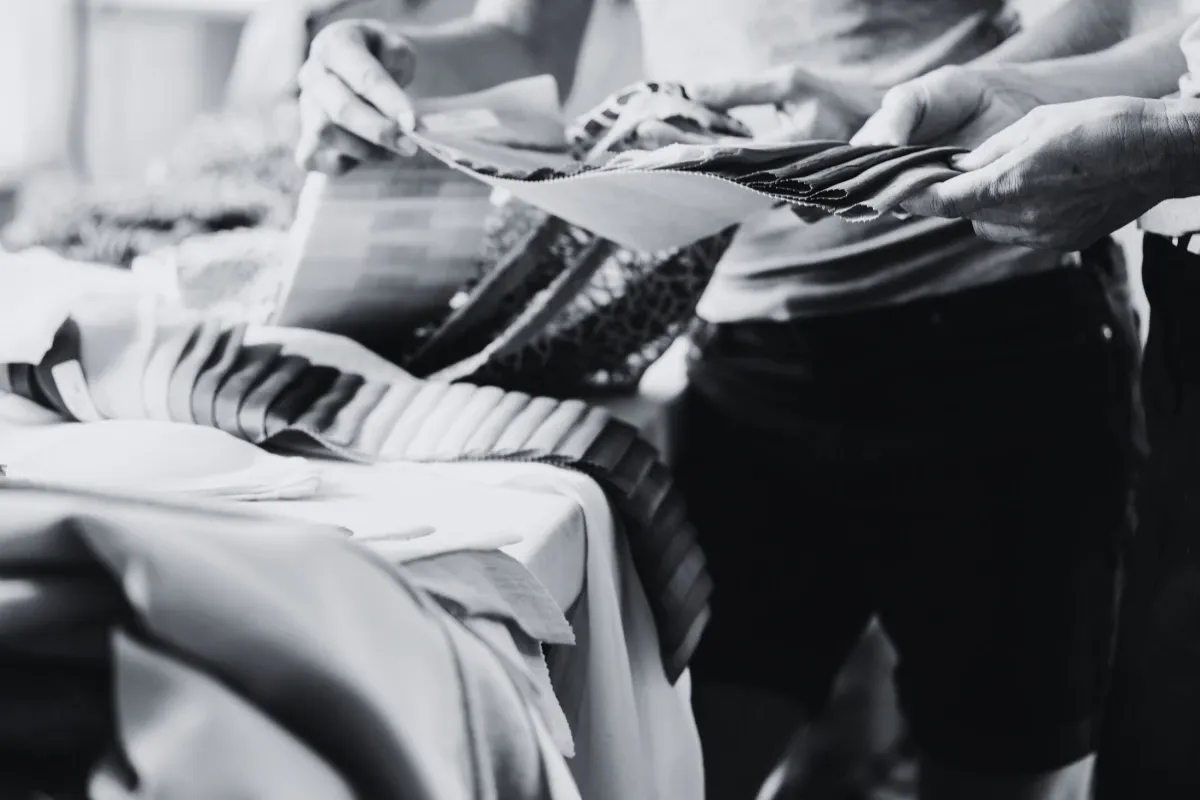
What fabric sourcing covers
Mill matching
Sourced from mills that run your construction at your volume, rather than the one the factory happens to use.
Fabric development
Custom knits and wovens developed to a target hand, weight, and performance spec.
Hand loom and lab dip approval
Physical approval of construction and color before bulk fabric is committed.
Testing
Shrinkage, colorfastness, pilling, and weight verification before bulk. Shrinkage in particular has to be known before patterns are finalized.
Certification sourcing
OEKO-TEX, GOTS, GRS, and equivalent where your brand requires it.
Origin planning
Fabric origin selected with the trade agreement and duty consequence understood in advance.
Consumption and costing
Yield calculated from the marker, so fabric cost is a real number rather than an estimate.
Fabric weight guide by garment type
Fabric weight is measured in grams per square meter (GSM). Weight drives hand, drape, opacity, and cost more than any other single variable.
| Garment | Typical fabric | Typical weight (GSM) |
|---|---|---|
| Lightweight tee | Cotton jersey | 120–150 |
| Standard tee | Cotton or cotton blend jersey | 150–180 |
| Heavyweight / boxy tee | Combed ring-spun jersey | 180–240 |
| Long sleeve tee | Jersey | 160–200 |
| Lightweight hoodie | French terry | 240–300 |
| Midweight hoodie / crewneck | French terry or fleece | 300–380 |
| Heavyweight hoodie | Brushed fleece | 380–500 |
| Sweatpants / joggers | French terry or fleece | 280–400 |
| Performance tee | Poly or poly-spandex knit | 130–180 |
| Leggings | Nylon-spandex or poly-spandex | 200–280 |
| Woven shirt | Poplin, oxford, twill | 110–180 |
| Lightweight outerwear shell | Nylon or poly woven | 60–120 |
| Sweater knit | Cotton, merino, or blend yarn | Measured in yarn gauge, not GSM — commonly 3gg to 14gg |
Fabric minimums and lead times
| Fabric approach | Typical minimum | Typical lead time |
|---|---|---|
| Stock fabric, stock color | Low or none — mill inventory | 1–2 weeks |
| Stock fabric, dyed to order | 500–1,000 kg or yards per color | 3–5 weeks |
| Custom knit or woven development | 1,000+ kg or yards per color | 8–14 weeks |
| Certified fabric (GOTS, GRS) | Mill dependent, often higher | Add 2–4 weeks |
| Printed fabric | Print run minimum per design and color | Add 2–4 weeks |
For the full process behind these numbers, from the fabric brief through lab dip and bulk approval, read our guide to how to source fabric for a clothing line.
Fabric and material certifications
| Certification | What it certifies |
|---|---|
| OEKO-TEX Standard 100 | Tested for harmful substances at every component level |
| GOTS | Organic fiber content plus environmental and social criteria through processing |
| GRS | Recycled content, chain of custody, and social and environmental practices |
| RCS | Recycled content and chain of custody only |
| bluesign | Chemical inputs and resource use across the manufacturing process |
| Better Cotton | Sustainable cotton farming practices via mass balance |
What MakeMine will tell you about fabric
- If your order volume is below the mill's dye lot minimum, we say so and show you the options: change the color count, use a stock color, or accept the higher price.
- If the fabric you want can't hold the construction you've designed, we tell you before sampling, not after.
- If sourcing the fabric in Asia kills your CAFTA-DR duty benefit, you get that math before you commit.
- We recommend China when it is the honest answer, even when nearshore sounds better on paper.
Frequently asked questions
What GSM should my t-shirt be?
A standard retail tee runs 150 to 180 GSM. Lightweight tees sit at 120 to 150, and heavyweight or boxy styles run 180 to 240. Higher GSM means more opacity, more structure, and more cost — a 220 GSM tee uses roughly 40 percent more fabric by weight than a 155 GSM one.
What is the minimum fabric order for a clothing brand?
Dyed-to-order fabric usually carries a mill minimum of 500 to 1,000 kg or yards per color. Stock fabric in a stock color can often be bought in much smaller quantities. This mill minimum, not the factory's, is typically what sets your real MOQ per colorway.
How long does fabric take to source?
Stock fabric in a stock color ships in one to two weeks. Dyed-to-order runs three to five weeks. Custom knit or woven development takes eight to fourteen weeks. Fabric lead time sits at the front of the production schedule, so it drives the delivery date more than sewing capacity does.
What does yarn-forward mean under CAFTA-DR?
Yarn-forward means that for a garment to qualify for duty-free treatment under CAFTA-DR, the yarn must be formed in a member country and every step from that point — fabric formation, cutting, and sewing — must also occur within the region. Fabric sourced outside the region generally disqualifies the garment from preferential duty treatment even if it is sewn in Honduras or El Salvador.
What is the difference between OEKO-TEX and GOTS?
OEKO-TEX Standard 100 certifies that a textile has been tested for harmful substances. GOTS certifies organic fiber content along with environmental and social criteria throughout processing. OEKO-TEX says the fabric is safe; GOTS says the fiber is organic and the supply chain met defined standards.
Should I use stock fabric or develop custom fabric?
Stock fabric is faster, cheaper, and available at lower minimums — the right answer for most brands under a few thousand units per style. Custom development makes sense when the hand, weight, or performance you need doesn't exist in the market, and when your volume can absorb an eight to fourteen week lead time and a higher minimum.
Get the fabric right and the rest gets easier.
Mill sourcing matched to your construction, volume, and origin strategy. Book a call to talk through your fabric.